
Found a Tesla Problem After Delivery? What You Can Still Do
By the makers of TSL Check · August 7, 2026
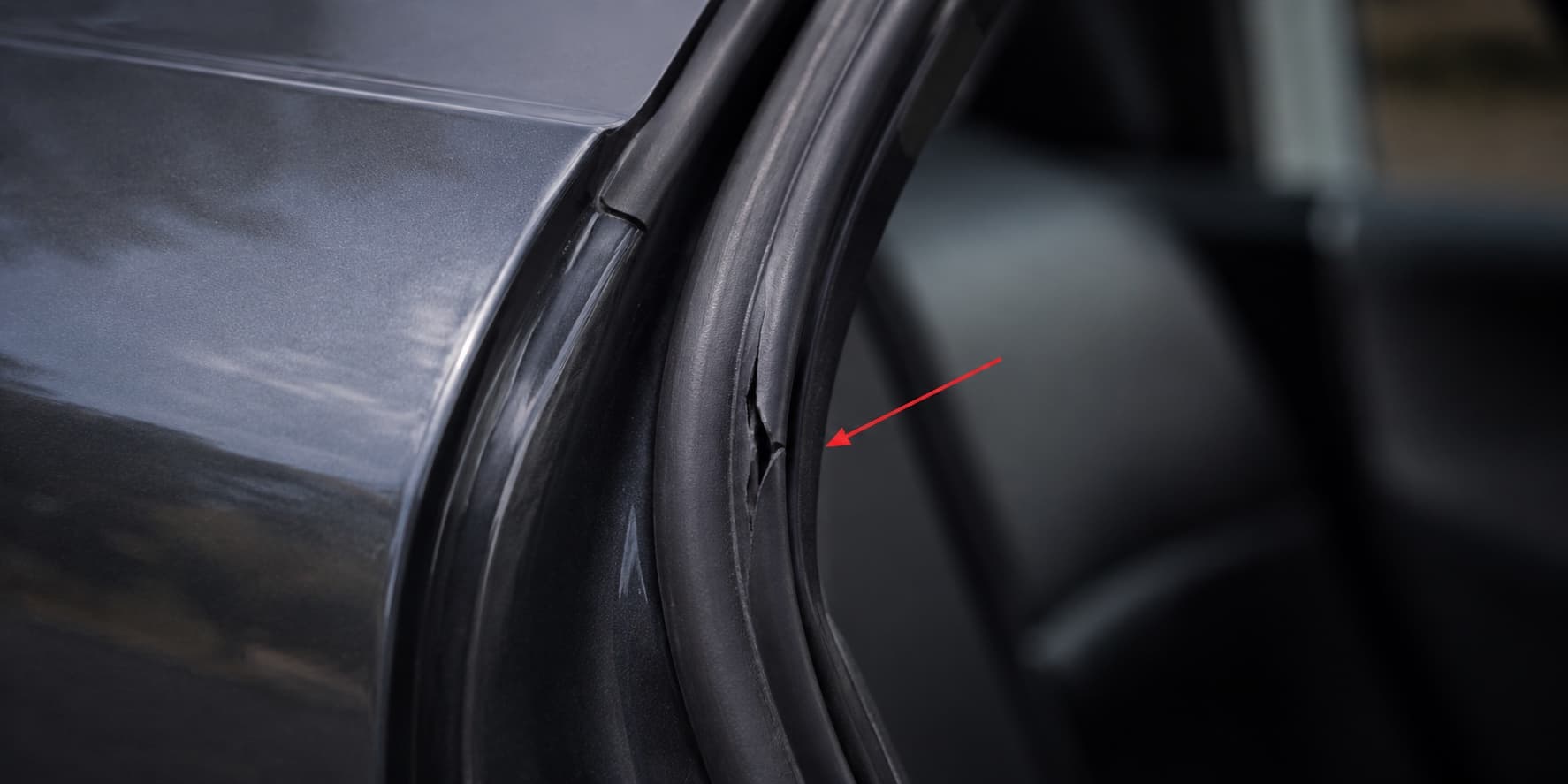
You're home, the adrenaline of delivery day has worn off, and there it is — a scratch you swear wasn't there, or a rattle you didn't notice on the short test drive. The first reaction for most people is some version of "did I miss my chance?" The honest answer: you have fewer cards than you would have had at the delivery center, but you're not out of the game, and how you report it from here matters more than how quickly you technically caught it.
TL;DR:
- You can still report anything, anytime — driving away doesn't end your ability to get things fixed
- What you lose over time is leverage, not eligibility — a documented, same-day report is simply harder to dispute than one from weeks later
- Cosmetic issues (scratches, gaps, paint) get harder to attribute the later you report them
- Functional/safety issues are judged on whether they're happening now, largely regardless of timing, and typically fall under standard warranty
- Report the moment you notice something — the gap between noticing and reporting is what actually costs you
What changes once you've left the delivery center
At handover, an issue is unambiguous: it's there, on a car Tesla hasn't handed off yet, in front of a delivery advisor who can note it on the spot. A week later, the same scratch raises a question neither of you can definitively answer — was it there at delivery, or did it happen in your driveway? That ambiguity, not a hard deadline, is the real cost of reporting late.
This matters more for cosmetic issues than functional ones. A scratch or a panel gap is a one-time, static thing — its history matters. A warning light or a malfunctioning system is an ongoing, present-tense thing — it's judged on whether it's happening now, and standard warranty coverage generally applies regardless of exactly when you first noticed it.
Is there an actual deadline?
Tesla has, at various points, offered a specific window after delivery to report cosmetic issues without the same burden of proof — but the length and the specifics have changed over time and vary by market. Don't plan around a number you read somewhere (including a specific figure in a forum post); confirm the current policy for your region directly, either in your delivery paperwork or by asking Tesla service. What's consistent everywhere: sooner is always better than later, and same-day is always better than sooner.
What to do right now, if you just noticed something
- Photograph it immediately — the date on the photo file is itself part of your record.
- Write down what you remember about delivery day — did you look at that spot? Would you have plausibly missed it? Being honest with yourself here helps you describe it accurately later.
- Report it the same day, through the Tesla app, website, or by contacting a service center — don't wait to see if it's "worth mentioning." The gap between noticing and reporting is the thing that actually erodes your position, far more than the gap between delivery and noticing.
- Describe it factually, not as an accusation — "I noticed X on this panel, here's a photo, can this be addressed" gets a more useful response than a complaint about the delivery process.
How to talk about it with Tesla
Lead with the observation, not a theory about when it happened. "This is what I'm seeing" is a much easier conversation than "you missed this at delivery" — the second framing invites a debate you can't actually win with certainty, while the first simply asks for a fix. If it's a functional or safety issue, say so plainly and ask for it to be prioritized; those get treated differently from a cosmetic note regardless of timing.
The lesson for next time (yours or someone else's)
If there's a next Tesla in your future — or if you're reading this before a delivery that hasn't happened yet — the fix for this whole situation is upstream of it: a documented, photographed pass through the car at delivery removes the ambiguity entirely. That's not always possible in the rush of handover, which is exactly why a structured, guided checklist like TSL Check exists — so the inspection happens methodically in the time you have, instead of relying on catching everything by eye in a few rushed minutes.
Frequently asked questions
Can I still report a problem after I've already left Tesla delivery?
Yes — you're not locked out of service just because you've driven away. What changes is leverage: a problem documented at handover is unambiguously Tesla's to fix, while one reported later can raise questions about when it happened. Report it as soon as you notice it, with photos, and describe it factually.
Does Tesla have an official reporting window for delivery issues?
Tesla has historically allowed a window to report cosmetic issues after delivery, but the exact length and terms have changed over time and vary by market — don't rely on a specific number of days without confirming your region's current policy directly with Tesla or your delivery paperwork.
What's the difference between reporting a cosmetic issue late vs. a functional one?
A late-reported cosmetic issue (a scratch, a panel gap) is harder to attribute to delivery versus everyday use, since it's your word against nothing. A functional or safety issue (a warning light, a system not working) is judged on whether it's actually happening now, not when it started — those are typically covered under standard warranty regardless of when you report them.
What should I do the moment I notice something I missed?
Photograph it immediately, note the date, and contact Tesla service (app, website, or service center) the same day rather than waiting to see if it's worth mentioning. The gap between noticing and reporting is the main thing that weakens your position later.
Still deciding? Keep reading
- Can You Refuse a Tesla Delivery? When to Say Yes and When to Just Document ItWhat actually happens if you refuse a Tesla at handover, when it's worth doing, and when documenting and accepting is the smarter move — a calm framework for the decision, made under pressure, that most new owners only think about once.
- Common Problems When Taking Delivery of a New TeslaThe issues new-Tesla buyers most often find at delivery — panel gaps, paint defects, missing accessories and more — what's normal, what's not, and what each one can cost you.
- Common Problems When Buying a Used TeslaWhat to watch for before buying a used Tesla — battery degradation, hidden repaints, brakes, warranty and FSD transfer, paperwork — what each issue really costs, and when to renegotiate or walk away.
- Is It Normal? A Calibration Guide for New Tesla OwnersPanel gaps, orange peel, road noise, dash rattles, software quirks — what's genuinely normal on a new Tesla and what's actually worth flagging, so you stop second-guessing every little thing.
- Tesla Delivery Day: What to Expect, Step by StepA first-timer's roadmap for Tesla delivery day — what happens before you arrive, what to do at the delivery center, how long it actually takes, and how to leave with a documented inspection instead of just a signature.
- Tesla Model 3: Common Problems to Check Before You Buy or Take DeliveryThe issues Model 3 buyers most often report — panel gaps, paint defects, trunk and trim rattles, wind noise, and what changed with the 2023+ Highland refresh — plus what's normal, what's not, and what each one costs you.
- Tesla Model Y: Common Problems to Check Before You Buy or Take DeliveryThe issues Model Y buyers most often report — panel gaps, taillight condensation, paint and trim defects, wind noise, and what changed with the 2025 Juniper refresh — plus what's normal, what's not, and what each one costs you.
- Used Tesla Battery Health: What's Normal Degradation and What Costs YouBattery degradation is the #1 anxiety on a used Tesla — here's how to actually check it, what range loss is typical for the car's age and mileage, and how to tell normal wear from something worth negotiating over.