
Common Problems When Buying a Used Tesla
By the makers of TSL Check · July 16, 2026
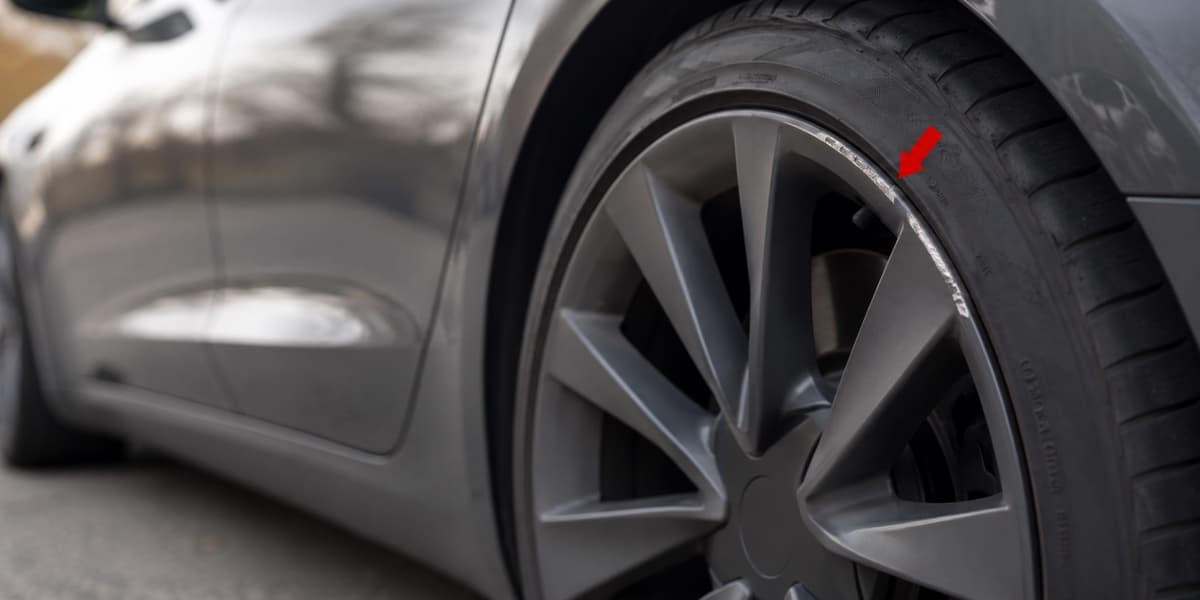
A used Tesla is a different purchase from a used gas car — and from a new Tesla. The engine-wear questions mostly disappear, and in their place come battery health, software entitlements, and history you can't smell in the cabin. There's also no delivery-day safety net: in a private sale especially, what you find before you pay is what you get.
This guide covers the issues used-Tesla buyers most often run into, based on the used-purchase checklist in the TSL Check app. The framing matters: on a used car, few problems mean "don't buy" — most mean "renegotiate or walk away with your eyes open."
TL;DR — what to scrutinize on a used Tesla:
- Battery degradation (the #1 value item)
- The 12V battery's age and history
- Tires and brakes (EVs wear them differently)
- Signs of repaint or unreported accident repair
- Title, liens, and ownership paperwork
- Remaining warranty — and what actually transfers
- Service history, mileage and screen health
- What charging equipment is actually included
Battery degradation
This is the single biggest value question on a used Tesla. Every EV battery loses some capacity over time — typically a faster dip early in life that then flattens out. What you're evaluating isn't whether there's degradation (there is), but whether it's in the normal band for the car's age and mileage, and whether the price reflects it.
Why it matters: the battery is the most expensive component in the car. Range loss is permanent, affects daily usability, and follows the car into your resale.
Quick check: with the battery display set to distance, compare the estimated range at 100% against the car's original rated figure — and compare against the rating system used in your region (EPA and WLTP figures differ substantially, so don't mix them).
The 12V battery
A cheap part with an outsized ability to strand you. Teslas have a low-voltage battery besides the big pack, and when it dies the car can refuse to wake at all. On older cars, ask when it was last replaced — replacement intervals of a few years are commonly reported, though it varies by model year and battery type.
Why it matters: the part is inexpensive; the tow truck and the locked-out morning are not.
Quick check: ask the seller directly for the 12V replacement history, and treat "never, in six years" as a due bill.
Tires and brakes
EV weight and instant torque eat tires — and regen braking lets brake discs rust. Uneven tire wear across one axle can also point at alignment or suspension issues, not just normal use. Brakes on EVs are used so lightly that discs can develop surface rust and pads can seize from inactivity — the opposite failure mode from a gas car.
Why it matters: a full set of tires on a Tesla is a real invoice, and neglected brakes are a safety item. Both are strong, legitimate renegotiation levers.
Quick check: look at tread depth on all four tires (including inner edges), and listen for grinding during a low-speed brake test.
Repaint and accident history
A panel that doesn't quite match its neighbors is telling you something. Look for color or metallic-flake differences between adjacent panels, overspray in door jambs and on rubber seals, and masking lines under the clear coat. A repaint isn't automatically disqualifying — but an undisclosed one changes the trust equation on everything else the seller has told you.
Why it matters: undisclosed accident repair affects value, insurability, and your ability to resell honestly.
Quick check: compare each panel against its neighbor in direct light, then open doors and look at the jambs — factory paint there is uniform; overspray isn't.
Title, liens and paperwork
The cheapest catastrophic problem to avoid. Depending on your market, this means checking for salvage/total-loss branding on the title, outstanding finance or liens against the car, and that the seller actually is the registered owner. The mechanics differ by country; the principle doesn't.
Why it matters: a car with a lien or branded title can be worth dramatically less than the asking price — or in the worst case, not legally the seller's to sell.
Quick check: match the VIN on the car (windshield base, door jamb) to every document, and run whatever official ownership/lien check your region offers before money moves.
Warranty and software transfer
Know what follows the car and what doesn't — and verify in the car, not in the ad. Tesla's battery and drive-unit warranty runs for a fixed period/mileage and, generally, remaining coverage follows the car. Software features are the sharper edge: in a private sale, features active on the car (including FSD) have generally stayed with it, but Tesla's handling has varied by channel and over time — there have been well-publicized cases of features being removed on cars that passed through refurbishment or dealer channels. Don't price in a software feature you haven't verified.
Why it matters: FSD alone can represent thousands in claimed value. "The listing said so" is not a warranty.
Quick check: open the car's own software screen and confirm exactly which features are active today — and get the seller's claims in writing.
Service history, mileage and the screen
The car's story should be consistent across its sources. Ask the seller to show the service history in their Tesla app or the car's screen, and sanity-check that mileage, apparent wear (pedals, steering wheel, driver's seat bolster) and the paperwork all tell the same story. While you're at the screen: it should respond promptly, with no dead zones or persistent alerts.
Why it matters: mismatch between wear and claimed mileage is one of the oldest used-car red flags, and it applies to EVs too.
Quick check: does the driver's seat wear look like the odometer reading? If not, ask why.
Charging equipment and a real charge test
"Comes with everything" needs a trunk check. Confirm which cables and adapters are physically present — mobile connector, wall connector, adapters for your region's plugs — and remember that what was originally included varies by year and market. Then actually charge the car during the viewing, even briefly.
Why it matters: missing charging kit is a real cost, and a car that won't charge reliably at a public station is a problem you want to discover before it's your problem.
Quick check: plug in at a charger during the test drive; watch it ramp and hold.
What's normal on a used Tesla
Calibration, again: some battery degradation is expected and priced into every used EV. Stone chips on the front bumper, light interior wear consistent with the mileage, and tires partway through their life are all normal. What should move your price — or your feet — is the undisclosed: degradation beyond the typical band, repaint nobody mentioned, paperwork that doesn't line up, or software claims the car itself doesn't confirm.
Renegotiate or walk away?
A useful rule: cosmetic and wear items are negotiation; trust and paperwork items are exits. Worn tires are a number you can subtract. A branded title, a lien, a VIN that doesn't match, or a seller whose story keeps changing — those aren't discounts, they're doors. The best position to negotiate from is a documented list of what you found, with photos, made before any money moved.
Still deciding? Keep reading
- Can You Refuse a Tesla Delivery? When to Say Yes and When to Just Document ItWhat actually happens if you refuse a Tesla at handover, when it's worth doing, and when documenting and accepting is the smarter move — a calm framework for the decision, made under pressure, that most new owners only think about once.
- Common Problems When Taking Delivery of a New TeslaThe issues new-Tesla buyers most often find at delivery — panel gaps, paint defects, missing accessories and more — what's normal, what's not, and what each one can cost you.
- Is It Normal? A Calibration Guide for New Tesla OwnersPanel gaps, orange peel, road noise, dash rattles, software quirks — what's genuinely normal on a new Tesla and what's actually worth flagging, so you stop second-guessing every little thing.
- Tesla Delivery Day: What to Expect, Step by StepA first-timer's roadmap for Tesla delivery day — what happens before you arrive, what to do at the delivery center, how long it actually takes, and how to leave with a documented inspection instead of just a signature.
- Tesla Model 3: Common Problems to Check Before You Buy or Take DeliveryThe issues Model 3 buyers most often report — panel gaps, paint defects, trunk and trim rattles, wind noise, and what changed with the 2023+ Highland refresh — plus what's normal, what's not, and what each one costs you.
- Tesla Model Y: Common Problems to Check Before You Buy or Take DeliveryThe issues Model Y buyers most often report — panel gaps, taillight condensation, paint and trim defects, wind noise, and what changed with the 2025 Juniper refresh — plus what's normal, what's not, and what each one costs you.
- Found a Tesla Problem After Delivery? What You Can Still DoYou're home, you noticed something you missed at handover — here's what actually changes once you've left the delivery center, how reporting windows work, and how to still get it resolved without the leverage you had on day one.
- Used Tesla Battery Health: What's Normal Degradation and What Costs YouBattery degradation is the #1 anxiety on a used Tesla — here's how to actually check it, what range loss is typical for the car's age and mileage, and how to tell normal wear from something worth negotiating over.