
Tesla Delivery Day: What to Expect, Step by Step
By the makers of TSL Check · August 7, 2026
Delivery day is the one part of buying a Tesla almost nobody has practiced. You've researched the car for weeks, maybe months — but the actual sequence of events at the delivery center is usually a surprise the first time, and that unfamiliarity is exactly what causes people to rush through the one moment that's easiest to fix problems in. This is a step-by-step roadmap so you walk in knowing what's coming.
TL;DR — the sequence:
- Notification your car is ready, often with little notice
- Arrival and paperwork/ID check
- A supervised walkthrough of the car with a delivery advisor
- Time (sometimes limited) to inspect the car yourself
- A short test drive near the delivery center
- Signing and accepting the car
- Driving off
The whole point of this guide is step 4 — the part that's easy to rush and hardest to redo.
Before you arrive
You'll usually get notice a few days out, sometimes less. Delivery windows can move, and last-minute date changes are common — build a little slack into your schedule if you can, and don't plan anything immediately after that requires you to rush the appointment.
Decide your inspection plan before you get there, not while you're standing next to the car. Deciding at the delivery center what to look at wastes the limited time you have there on decision-making instead of actually looking. A written or app-based checklist means you're executing a plan, not improvising one.
What actually happens at the delivery center
Paperwork and ID first. Expect a short administrative step — confirming your identity, signing initial paperwork, sometimes a walkthrough of financing or insurance details if those weren't finalized online.
A guided walkthrough with an advisor. Someone will typically show you the car's basics — opening doors and the frunk/trunk, charging, the touchscreen — partly onboarding, partly a chance for them to note the car looks good. This is not the same thing as your own inspection; treat it as the intro, not the main event.
Your own inspection time. This is the part that varies most by location and how busy the day is. Some delivery centers give you generous time; others move faster than you'd like. Either way, this is the moment to work through your plan methodically rather than glancing around — see the sections below for what to prioritize if time is tight.
If your time is limited: what to prioritize
If you only have a few minutes, work in this order — it's roughly ranked by how often each issue is reported and how much harder each gets to fix after you leave:
- Panel gaps — walk the car comparing each gap side to side (doors, hood/frunk, trunk).
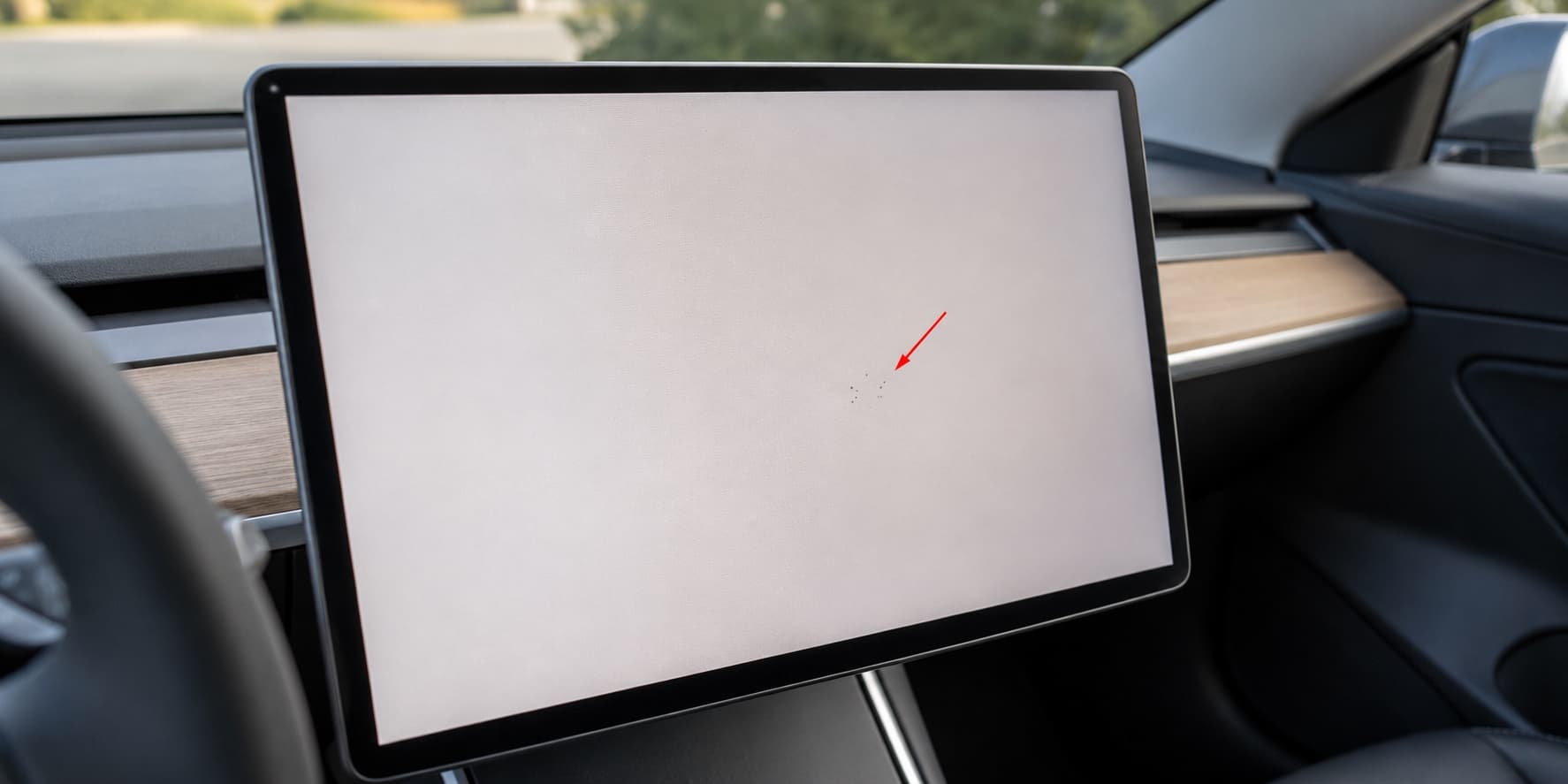
- Screen and warnings — a bright, uniform image on the touchscreen to spot dead pixels; confirm no persistent alerts.
- Lights — check for condensation inside headlight and tail light housings.
- Paint — a quick pass in direct light for scratches, chips, or mismatched panels.
- Interior trim — press gently along trim edges for anything not fully clipped in.
If you have more time, extend to seals, glass, and accessories — but these five cover the issues buyers most often report.
The test drive
Tesla delivery typically includes a short, supervised drive near the delivery center before you finalize acceptance. Use those few minutes with intent rather than just enjoying the car:
- Listen for any rattle or wind noise, especially at higher speed if the route allows it
- Test the brakes gently at low speed for any pulling or unusual feel
- Confirm the steering feels centered and responsive
- Try the drive modes if you have time
This is your one chance to catch a functional issue before you're driving it home alone.
Signing and driving off
Before you sign, do one last pass in your head: is everything you found written down somewhere with a date on it? A note from the advisor, an email, or simply your own photos with a visible timestamp all work — what matters is that the record doesn't depend only on your memory of the conversation. Once you've confirmed that, the safest moment for documentation has passed the instant you drive away, so it's worth the extra sixty seconds.
The through-line: a plan beats improvising
Every piece of advice in this guide points at the same thing: delivery day goes better when you're executing a plan instead of making decisions on the spot, under time pressure, with an advisor who's done this a hundred times today and you who's doing it for the first time. That gap in experience is exactly what a structured checklist closes — which is the whole reason TSL Check exists as a free, guided walkthrough you can bring with you instead of trying to remember what to check.
Frequently asked questions
How long does Tesla delivery day actually take?
Plan for 30 to 60 minutes at the delivery center itself if you do a proper inspection, though the appointment slot Tesla books is often shorter. Rushing is the biggest risk — it's fine to take longer than your slot if you're actively finding and documenting issues.
What should I bring to a Tesla delivery appointment?
Your ID and any documents Tesla asks for, a phone with a full battery and free storage for photos, and — most importantly — a checklist or plan for what you're going to inspect, so you're not deciding what to look at on the spot.
Can I test drive the car before accepting delivery?
Tesla delivery typically includes a short supervised drive near the delivery center before you finalize acceptance. Use it deliberately: listen for noises, test the brakes at low speed, confirm the drive modes and steering feel normal — this is your only chance to catch a functional issue before you're driving home alone.
What's the very last thing I should do before driving away?
Confirm every item you found is written down somewhere with a timestamp — a note from the advisor, an email, or your own photos with the time visible. That record is what makes any post-delivery follow-up straightforward instead of a he-said-she-said.
Still deciding? Keep reading
- Can You Refuse a Tesla Delivery? When to Say Yes and When to Just Document ItWhat actually happens if you refuse a Tesla at handover, when it's worth doing, and when documenting and accepting is the smarter move — a calm framework for the decision, made under pressure, that most new owners only think about once.
- Common Problems When Taking Delivery of a New TeslaThe issues new-Tesla buyers most often find at delivery — panel gaps, paint defects, missing accessories and more — what's normal, what's not, and what each one can cost you.
- Common Problems When Buying a Used TeslaWhat to watch for before buying a used Tesla — battery degradation, hidden repaints, brakes, warranty and FSD transfer, paperwork — what each issue really costs, and when to renegotiate or walk away.
- Is It Normal? A Calibration Guide for New Tesla OwnersPanel gaps, orange peel, road noise, dash rattles, software quirks — what's genuinely normal on a new Tesla and what's actually worth flagging, so you stop second-guessing every little thing.
- Tesla Model 3: Common Problems to Check Before You Buy or Take DeliveryThe issues Model 3 buyers most often report — panel gaps, paint defects, trunk and trim rattles, wind noise, and what changed with the 2023+ Highland refresh — plus what's normal, what's not, and what each one costs you.
- Tesla Model Y: Common Problems to Check Before You Buy or Take DeliveryThe issues Model Y buyers most often report — panel gaps, taillight condensation, paint and trim defects, wind noise, and what changed with the 2025 Juniper refresh — plus what's normal, what's not, and what each one costs you.
- Found a Tesla Problem After Delivery? What You Can Still DoYou're home, you noticed something you missed at handover — here's what actually changes once you've left the delivery center, how reporting windows work, and how to still get it resolved without the leverage you had on day one.
- Used Tesla Battery Health: What's Normal Degradation and What Costs YouBattery degradation is the #1 anxiety on a used Tesla — here's how to actually check it, what range loss is typical for the car's age and mileage, and how to tell normal wear from something worth negotiating over.