
Can You Refuse a Tesla Delivery? When to Say Yes and When to Just Document It
By the makers of TSL Check · August 7, 2026
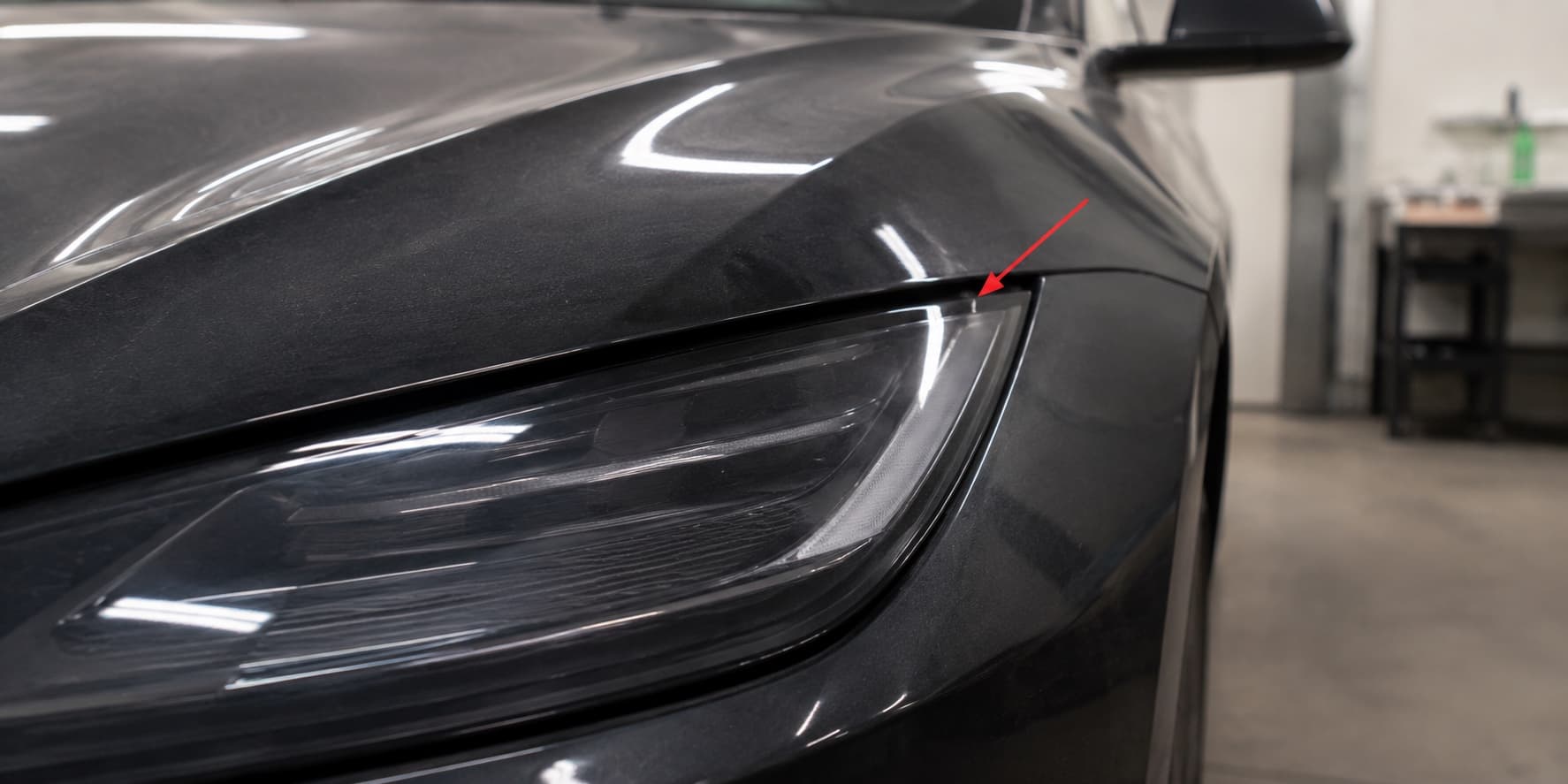
Somewhere between "just sign and drive off" and "refuse the car and walk away" is where most delivery-day decisions actually live, and the internet doesn't do a great job explaining the middle ground. This guide is that middle ground: a calm framework for deciding what to do when you find something at handover, built around the fact that refusing delivery is a real option — but rarely the best one.
TL;DR:
- Refuse for anything touching safety, function, or that you can't confirm will actually get fixed
- Document and accept for anything cosmetic — Tesla can fix it after delivery just as well as before
- Refusing usually means weeks of delay for a new unit or repair slot
- The goal either way is the same: a written, acknowledged record of the problem before you drive off
What "refusing delivery" actually means
You're not obligated to sign for a car you haven't had a chance to look at. In most markets, declining to accept the vehicle at handover is a legitimate option — you simply don't sign, and the delivery center processes it as an incomplete or refused delivery. What happens after that (a new date, a different VIN, escalation, or in rarer cases a refund) depends on your contract and local consumer protection law, which vary enough by country and state that it's worth reading your delivery agreement before you're standing in the parking lot deciding.
The framework: safety and function vs. cosmetics
The single question that should drive the decision: can this be fixed after I drive away, and will Tesla actually fix it?
- Cosmetic issues — panel gaps, paint texture, a trim rattle, a scuff — are, by definition, things a service center can address later without the defect getting worse or costing you anything if it's documented at handover. These are almost never worth refusing over.
- Safety and function issues — an active warning light that doesn't clear, a safety system that doesn't engage, visible structural or mechanical damage, a system that's clearly not working as intended — are a different category. If you can't drive the car with confidence right now, or if it's not clear the problem will actually get fixed once you've already taken the car home, that's when refusing (or asking the delivery center to hold the car until it's resolved) makes sense.
Why most people are better off documenting and accepting
Refusing delivery restarts a process — you go back into a queue for another unit or a repair slot, and that's realistically weeks, not days. For anything cosmetic, you're trading real time for a problem that gets fixed exactly the same way either way: Tesla schedules the repair. The only thing that changes is whether you're driving the car while you wait.
Documenting and accepting gets you the same leverage as refusing — a written, dated, Tesla- acknowledged problem — without the delay. The delivery center has a strong incentive to resolve a documented issue quickly while it's fresh and undeniable; that incentive is what you're actually relying on, not the act of refusing itself.
How to document instead of refuse
- Photograph the issue from an angle that shows both the defect and its location on the car, before you sign anything.
- Say it out loud to the delivery advisor and ask them to note it in the delivery record or send you something in writing — an email, a note on your order, anything with a timestamp.
- Ask specifically how and when it will be addressed — a service appointment, a part order, a callback — rather than accepting a vague "we'll take care of it."
- Keep your own copy. Delivery centers are busy; your photos and notes are the version of the record you control.
When to actually walk away
Refusing is the right call when the alternative is driving a car you can't trust, or when the delivery center can't or won't acknowledge a real problem in writing. If a safety-related warning won't clear, if a system doesn't respond during a test at the delivery center, or if you're being pushed to sign before you've had a real chance to look — those are reasonable lines to hold. Trust the pattern from every other decision in this guide: document first, and let the severity of what you find decide the rest.
The best version of this decision is one you never have to make under pressure
The stress of delivery-day decisions comes almost entirely from making them on the spot, with a line of other buyers waiting and an advisor who's seen a hundred deliveries today. Knowing in advance what you're looking for — and having somewhere to log it the moment you see it — turns "do I refuse this car?" from a panic decision into a documented, calm one. That's the whole premise behind TSL Check: a structured pass through the car, with photos and notes attached to each point, so you walk in with a plan instead of winging it.
Frequently asked questions
Can you legally refuse to accept a Tesla at delivery?
In most markets, yes — you're not obligated to sign for a car you haven't inspected, and you can decline to accept it if you find something you're not comfortable with. What happens next (a new delivery date, a different unit, or a refund) depends on your contract and local consumer law, so it's worth understanding those before you're standing at the delivery center.
What kind of problem is actually worth refusing delivery over?
Reserve refusal for things that affect safety, function, or that you can't verify will be fixed later — active warning lights, an inoperable safety system, or visible structural damage. Cosmetic issues (paint, panel gaps, minor trim) are almost always better handled by documenting and accepting, since Tesla can fix those after delivery just as easily.
Does refusing delivery delay getting the car?
Usually yes, and often by weeks, since you go back into the queue for another unit or a repair slot. That trade-off is exactly why most delivery-day issues are worth documenting and accepting rather than refusing — you get the fix without losing your place in line.
What should I do instead of refusing if I find a problem?
Photograph it clearly, report it to the delivery advisor in writing (or have them note it) before you sign, and confirm how and when it will be addressed. That gets you the same outcome as refusing — a documented, Tesla-acknowledged problem — without restarting the delivery process.
Still deciding? Keep reading
- Common Problems When Taking Delivery of a New TeslaThe issues new-Tesla buyers most often find at delivery — panel gaps, paint defects, missing accessories and more — what's normal, what's not, and what each one can cost you.
- Common Problems When Buying a Used TeslaWhat to watch for before buying a used Tesla — battery degradation, hidden repaints, brakes, warranty and FSD transfer, paperwork — what each issue really costs, and when to renegotiate or walk away.
- Is It Normal? A Calibration Guide for New Tesla OwnersPanel gaps, orange peel, road noise, dash rattles, software quirks — what's genuinely normal on a new Tesla and what's actually worth flagging, so you stop second-guessing every little thing.
- Tesla Delivery Day: What to Expect, Step by StepA first-timer's roadmap for Tesla delivery day — what happens before you arrive, what to do at the delivery center, how long it actually takes, and how to leave with a documented inspection instead of just a signature.
- Tesla Model 3: Common Problems to Check Before You Buy or Take DeliveryThe issues Model 3 buyers most often report — panel gaps, paint defects, trunk and trim rattles, wind noise, and what changed with the 2023+ Highland refresh — plus what's normal, what's not, and what each one costs you.
- Tesla Model Y: Common Problems to Check Before You Buy or Take DeliveryThe issues Model Y buyers most often report — panel gaps, taillight condensation, paint and trim defects, wind noise, and what changed with the 2025 Juniper refresh — plus what's normal, what's not, and what each one costs you.
- Found a Tesla Problem After Delivery? What You Can Still DoYou're home, you noticed something you missed at handover — here's what actually changes once you've left the delivery center, how reporting windows work, and how to still get it resolved without the leverage you had on day one.
- Used Tesla Battery Health: What's Normal Degradation and What Costs YouBattery degradation is the #1 anxiety on a used Tesla — here's how to actually check it, what range loss is typical for the car's age and mileage, and how to tell normal wear from something worth negotiating over.